
EPA Publishes First-Of-Its-Kind Framework for Considering Cumulative Impacts Across Agency Actions
On November 21, 2024, the U.S. Environmental Protection Agency (EPA) published Notice of a newly developed draft framework intended to provide all EPA programs with a shared reference point for determining when and how to analyze or consider cumulative impacts—defined broadly to include the totality of exposures to combinations of environmental stressors and their effects on health and quality-of-life outcomes. Keeping pace with the Biden administration EPA’s environmental justice drive, key goals of the Interim Framework for Advancing Consideration of Cumulative Impacts include empowering EPA to (1) more fully and accurately characterize the realities communities face, (2) pinpoint the levers of decision making and identify opportunities for interventions that improve health and quality of life while advancing equity, and (3) increase meaningful engagement, improve transparency, and center actions on improving health and environmental conditions in communities.



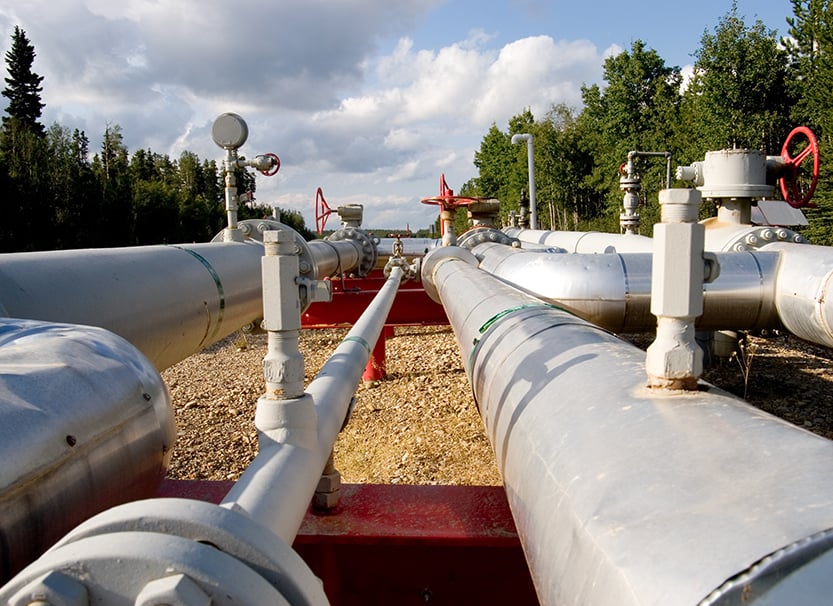
U.S. EPA Removes Regulatory Affirmative Defense Provision Against Alleged Violations of Oil and Gas Facility NESHAPs
On October 22, 2024, the U.S. Environmental Protection Agency (EPA) published a final rule removing an affirmative defense from Clean Air Act (CAA) National Emission Standards for Hazardous Air Pollutants (NESHAP) regulations for the Oil and Natural Gas Production Facility and Natural Gas Transmission and Storage Facility Source Categories (Final Rule).[1] Prior to the Final Rule, owners or operators could assert an affirmative defense that alleged NESHAP standard violations were caused by an equipment malfunction.[2] A “malfunction” is defined as any sudden, infrequent, and not reasonably preventable failure of air pollution control and monitoring equipment, process equipment, or a process to operate in a normal or usual manner.[3]


EPA Chemical Safety Rule Raises Questions About Authority
For what appears to be the first time in its history, the U.S. Environmental Protection Agency has recently finalized a rule that requires board-level involvement in an EPA-administered program. Specifically, the EPA’s recent amendments to the Risk Management Program (RMP) require certain chemical plants and refineries to submit third-party audit reports on process safety directly to the audit committee of the company’s board of directors. In short, the EPA is seeking to get involved in corporate governance by dictating what information management must provide to the audit committee and when — regardless of management input. In this article, first published in Law360 on April 25, 2024, Sidley lawyers Justin Savage, Ike Adams, and Aaron Flyer dissect the recent RMP amendments, which are a follow up to the EPA’s Safer Communities by Chemical Accident Prevention rule, finalized March 11, 2024. The authors explore the EPA’s authority to regulate corporate governance requirements, the practical value in doing so, and the potential fallout for companies in terms of corporate governance. If the new RMP rule survives judicial review, it may embolden the EPA to issue other board reporting obligations in any number of its regulatory programs governing corporate operations.




The Newest Phase of EPA’s Greenhouse Gas Emissions Standards: Phase 3
On March 29, 2024, the U.S. Environmental Protection Agency (EPA) announced its most recent national greenhouse gas (GHG) pollution standards for heavy-duty (HD) vehicles, including HD vocational vehicles and tractors. The rule establishes new CO2 emission standards for model year (MY) 2032 and later HD vehicles, with more stringent CO2 standards phasing in as early as MY 2027 for certain vehicle categories.


U.S. EPA Issues Draft Final Oil and Gas Methane Rule
The U.S. Environmental Protection Agency (EPA) released a draft of its final oil and gas methane rule on December 2, 2023. It may be some time before the final rule is officially published in the Federal Register, starting the clock on the rule’s compliance obligations. Interested parties will need that extra time to fully digest the 1,690-page draft final rule, which addresses methane emissions from new (in subpart OOOOb) and existing sources (in subpart OOOOc). Here are some of the rule’s key aspects to consider. (more…)
U.S. Fifth Circuit Reverses EPA’s Denial of Fuel Program Hardship Exemption for Refineries
In Calumet Shreveport Refining LLC v. EPA, Case No. 22-60266 (5th Cir. Nov. 22, 2023), the U.S. Court of Appeals for the Fifth Circuit struck down Environmental Protection Agency (EPA) denials of six small refineries’ petitions for hardship relief under the Clean Air Act Renewable Fuel Standard (RFS) program, holding that EPA used an “impermissibly retroactive” standard to deny the refineries’ petitions in violation of the Administrative Procedure Act. This ruling could serve as a basis for other refineries to challenge EPA’s retroactive denial of their hardship petitions — and provides support for similar petitions pending before the U.S. Court of Appeals for the D.C. Circuit.




U.S. EPA Memo Offers Direction on Lithium Battery Recycling—Essential to the Future Supply Chain for Battery Electric Vehicles
Lithium-ion batteries are commonly used in a wide variety of applications, from medical devices to laptops — and now, increasingly, in electric vehicles (EVs). With the market for personal and commercial EVs growing, it is essential for U.S. manufacturers to have a secure, reliable supply chain of the critical minerals needed to produce EV batteries, including lithium, cobalt, nickel, and copper. Indeed, a recent study highlights the growing demand for these minerals — and the challenges the U.S. faces to meet this demand from mined sources.


U.S. EPA Opens Public Comment on Funding for Zero-Emission Vehicles and Charging Infrastructure Under Inflation Reduction Act
The U.S. Environmental Protection Agency (EPA) issued, on May 5, 2023, a request for information seeking input on the availability of zero-emission technologies in the heavy-duty vehicle and port sectors toward establishing funding programs under the Inflation Reduction Act (IRA). EPA requests comment from manufacturers, distributors, installers, fleet operators, and port operators about their products and experience with zero-emission technologies.


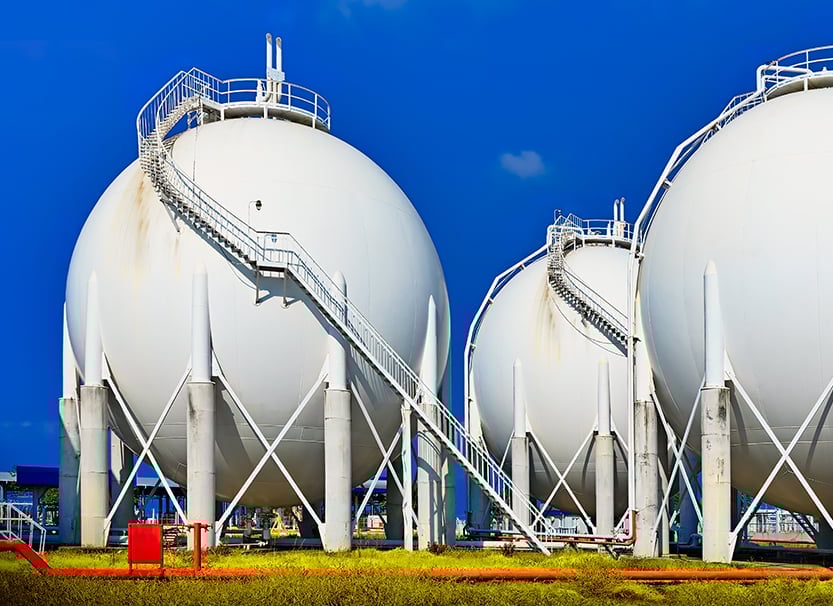
EPA Proposes Granting Louisiana Primacy Over Carbon Sequestration Well Program
The U.S. Environmental Protection Agency (EPA) proposed to approve Louisiana’s request for control over the permitting of carbon sequestration wells in the state. EPA’s approval would provide Louisiana authority under the Safe Drinking Water Act (SDWA) Underground Injection Control (UIC) program to administer a “Class VI” injection well program for the geologic sequestration of carbon dioxide, following similar such approvals for North Dakota and Wyoming. Stakeholders should take note of this proposed action because EPA approval of Louisiana’s program could advance carbon capture and sequestration (CCS) projects stymied by the backlog of permit applications pending before the EPA.

Southern District of Texas Enjoins New Waters of the United States Rule
On March 19, 2023, in Texas et al. v. EPA, the United States District Court for the Southern District of Texas issued an order enjoining the Environmental Protection Agency (EPA) and Army Corps of Engineers Waters of the United States (WOTUS) Rule in the states of Idaho and Texas. The injunction went into effect just one day before the WOTUS Rule was set to become final. Texas represents the latest in the multidecade saga of seeking to define the term “waters of the United States” in the context of the Clean Water Act (CWA). Moreover, Texas is just one hurdle EPA’s new WOTUS Rule faces, with a pending Supreme Court case (Sackett v. EPA) and potential congressional action to block the rule both on the horizon.