
Supreme Court Issues Split Rulings on Clean Air Act Venue Disputes
On June 18, 2025, the U.S. Supreme Court issued decisions in two significant Clean Air Act cases — EPA v. Calumet Shreveport Refining and Oklahoma v. EPA — clarifying the appropriate venue for legal challenges to certain final EPA actions. In Calumet, the Court held that EPA’s universal denials of small-refinery-exemption (SRE) petitions under the Renewable Fuel Standard program were “based on a determination of nationwide scope or effect,” and thus challenges may only be brought in the D.C. Circuit Court of Appeals. By contrast, the Court in Oklahoma held that challenges to EPA’s disapproval of State Implementation Plans (SIPs) belong in the applicable regional circuit courts because the agency’s determinations were based on facts and rationales unique to each state. Although some gray areas remain, the twin decisions put several long-standing venue issues to rest and should encourage quicker resolution of Clean Air Act regulatory challenges.






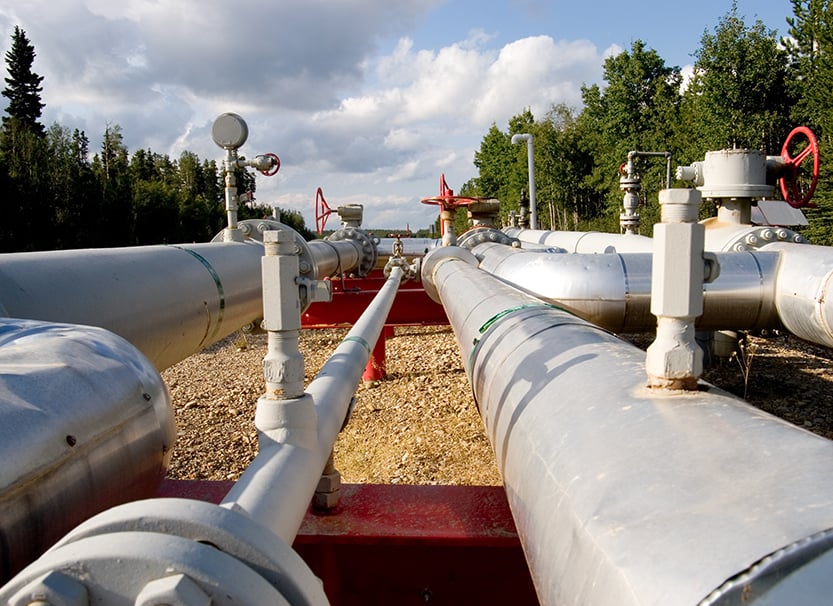
U.S. EPA Removes Regulatory Affirmative Defense Provision Against Alleged Violations of Oil and Gas Facility NESHAPs
On October 22, 2024, the U.S. Environmental Protection Agency (EPA) published a final rule removing an affirmative defense from Clean Air Act (CAA) National Emission Standards for Hazardous Air Pollutants (NESHAP) regulations for the Oil and Natural Gas Production Facility and Natural Gas Transmission and Storage Facility Source Categories (Final Rule).[1] Prior to the Final Rule, owners or operators could assert an affirmative defense that alleged NESHAP standard violations were caused by an equipment malfunction.[2] A “malfunction” is defined as any sudden, infrequent, and not reasonably preventable failure of air pollution control and monitoring equipment, process equipment, or a process to operate in a normal or usual manner.[3]